
Early Detection of Vascular Health Issues: TM Flow is the Answer
Non-invasive vascular testing identifies blood-flow problems before symptoms emerge, while action is still simple.

The TM Flow System is a non-invasive test that detects early signs of vascular health problems, like poor blood flow and heart issues. It catches vascular problems early, even before symptoms show up, so you can take steps to reduce risk. Specifically, it measures your autonomic nervous system (ANS), which controls things like heart rate, blood pressure, and sweat production.
A complete view of your cardiovascular health is completed in about 15 minutes by assessing the following factors:
- Endothelial function (how well your blood vessels work)
- Autonomic regulation (how your body controls involuntary functions)
- Arterial stiffness (how flexible your arteries are)
- Heart Rate Variability (HRV) (heart and nervous system health)
- Reactive Hyperemia Index (RHI) (blood flow and artery function)
This early detection test supports prevention and earlier action, so small issues are caught while they are still small.
Based on your results, Dr. Andersen can build a tailored plan, like lifestyle changes, supplementation or medications. A follow-up TM Flow screening helps show whether the plan is working and allows adjustments if needed.
How the TM Flow System Works
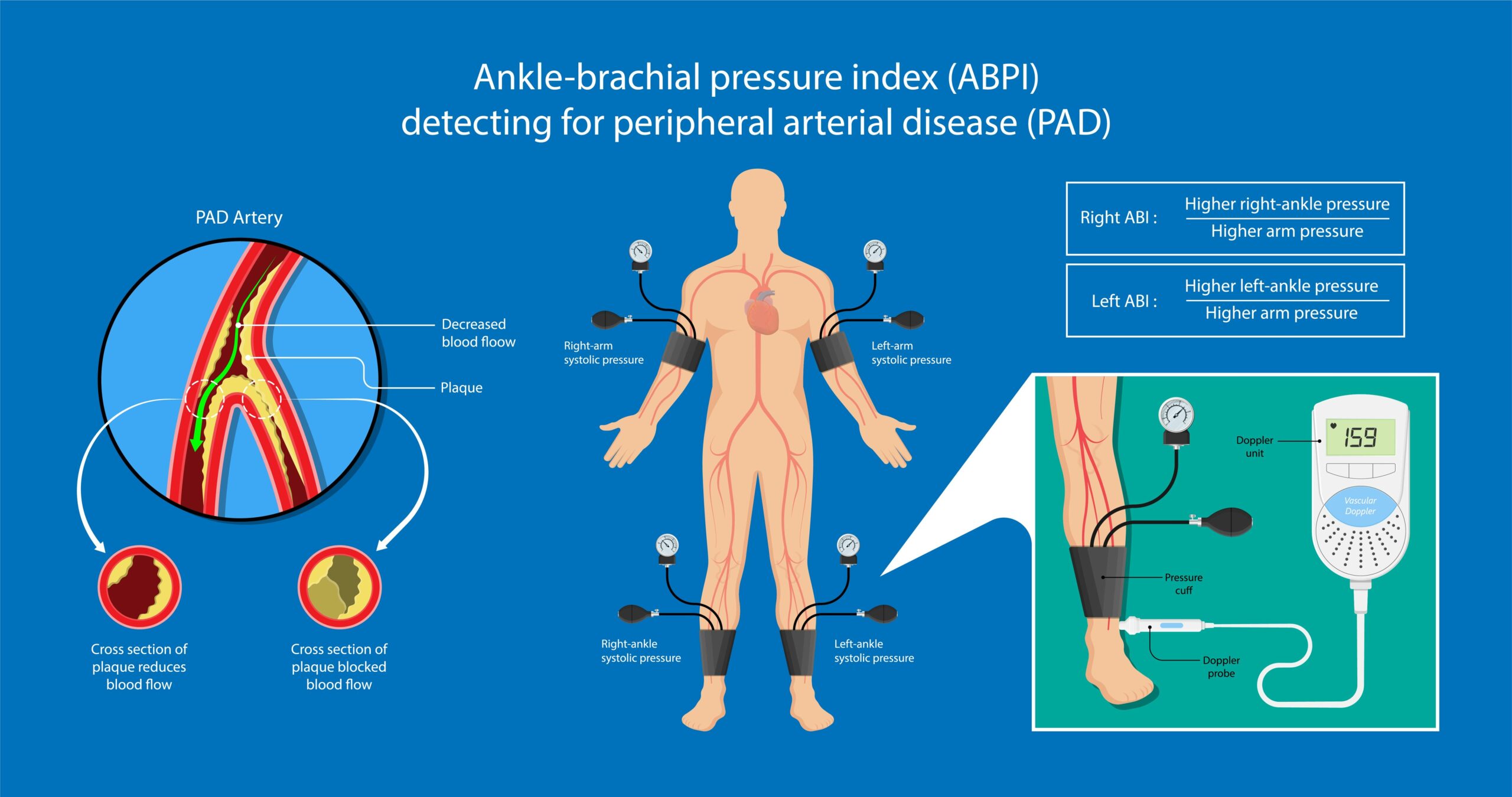
A cuff tightens around your arms and ankles to reduce blood flow, then releases to see how your arteries respond. Healthy arteries expand, while stiffer ones don't, which signals higher cardiovascular risk.
Who Can Benefit?
TM Flow is useful for routine check-ups, especially for people with diabetes, high blood pressure, or other risk factors.
Before the Test
- A brief consultation with our Medical Director.
- Eat a light meal: a small meal a few hours before can help prevent stomach discomfort.
- Wear comfortable clothing: loose clothes allow easy access.
- Stay hydrated: drink plenty of water before the test.
- Stay calm: try to relax, as nervousness can affect the results.
- Avoid intense exercise: rest before and after the test for best results.
- Reschedule if unwell: if you're not feeling well, it's best to reschedule.
- Medications: let your doctor know about any medications you're taking, as some may need to be paused before the test.
During the Test (12 Minutes)
- Setting: the test is done in a comfortable, temperature-controlled room.
- Electrodes: electrode pads are placed on the bottom of the feet.
- Ankle-Brachial Index (ABI): blood pressure cuffs on your arms and ankles compare readings to assess blood flow in your legs.
- Fingertip sensor: a pulse oximeter is placed on your finger to measure vital signs.
- Sudomotor test: a mild electrical current checks your sweat gland activity. It's painless.
- Autonomic reflex tests: you'll do simple actions like deep breathing to assess ANS response.
After the Test
- Results: a report is generated, and Dr. Andersen will review the findings with you and discuss next steps if needed.
- Follow-up: based on the results, Dr. Andersen may recommend additional tests or a care plan.
Have Questions About Our Approach?
We're happy to discuss how our Track & Treat methodology can help with your specific condition.
Contact Us