
Cognitive Impairment in Epilepsy with the P300 Brain Signal

How P300 signals reveal cognitive challenges in epilepsy, and what that means for care planning.
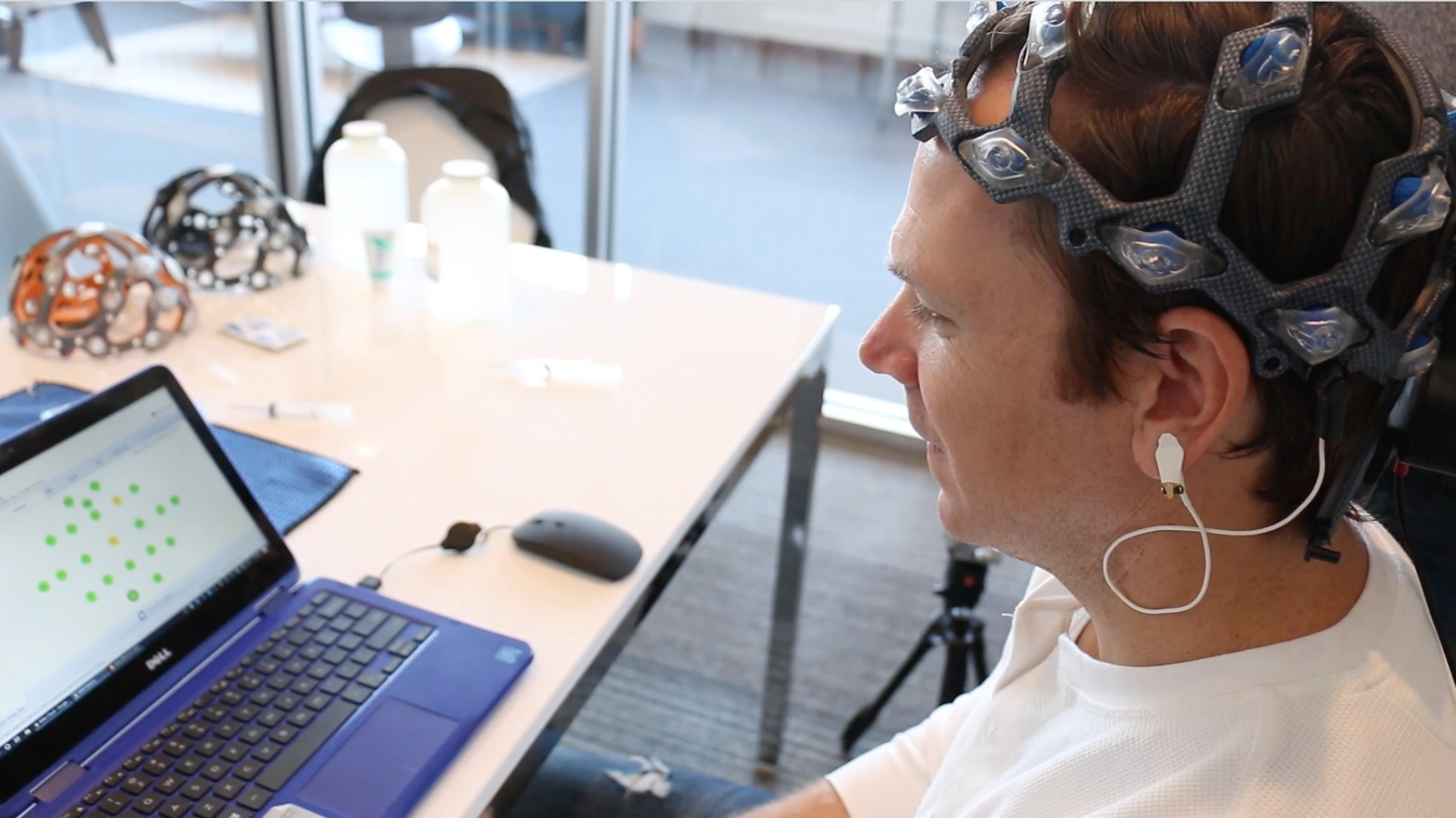
Epilepsy is a common chronic brain condition that affects millions of people. Along with seizures, many people with epilepsy also struggle with cognitive issues, like memory and focus problems. To better understand how epilepsy affects brain function, scientists often study the P300, a brainwave that helps measure how quickly and effectively the brain processes information. This is precisely what we measure at PainLab using the WAVi EEG platform.
What is the P300?
The P300 is a type of brainwave that plays a key role in how the brain processes information, especially related to attention, memory, and decision-making. It's part of a brain activity signal called Event-Related Potentials (ERPs) and gives valuable insights into brain function. When these processes aren't working well, the P300 can indicate issues related to neurological or mental health disorders.
Doctors can also use this information in clinical settings to identify and track cognitive impairments in various disorders.
In short, studying the P300 helps us see how epilepsy affects the brain beyond just seizures. So, we looked at many studies from three major databases (PubMed, EMBASE, and Cochrane Library) to find research on the P300 in people with epilepsy. We focused on two main things:
- How long it takes for the brain to respond to information.
- The strength of the brain's response in terms of voltage.
The research shows that people with epilepsy generally take more time to process information and their brain signals are weaker. These differences were seen in both children and adults with epilepsy, and the type of epilepsy also played a role in how much the P300 was affected.
By using tools like WAVi, we can work toward improving the quality of life for people with epilepsy, especially when it comes to their cognitive health.
Have Questions About Our Approach?
We're happy to discuss how our Track & Treat methodology can help with your specific condition.
Contact Us